Diamond blade kerf management
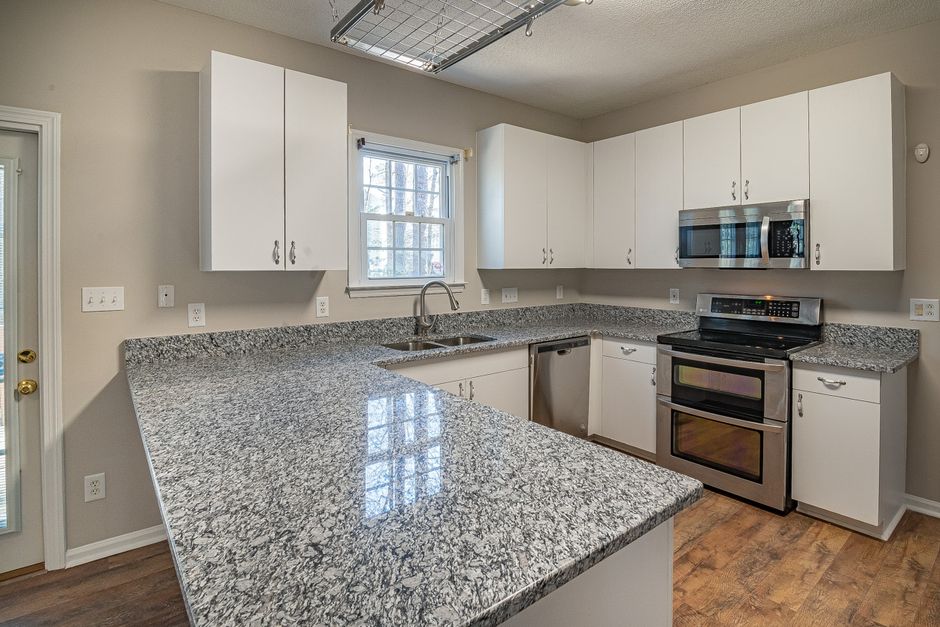
The diamond blade kerf removes a specific volume of material from the slab during every pass. Every teardown custom countertops buncombe county nc chill pop shop has logged shows the same thing regarding how a wide kerf impacts the final dimensions of a granite work surface in Buncombe County, NC. A blade that wanders or is too thick wastes material and creates heat that degrades the bond between the diamond segments and the steel core.
Thermal Expansion and Blade Stability
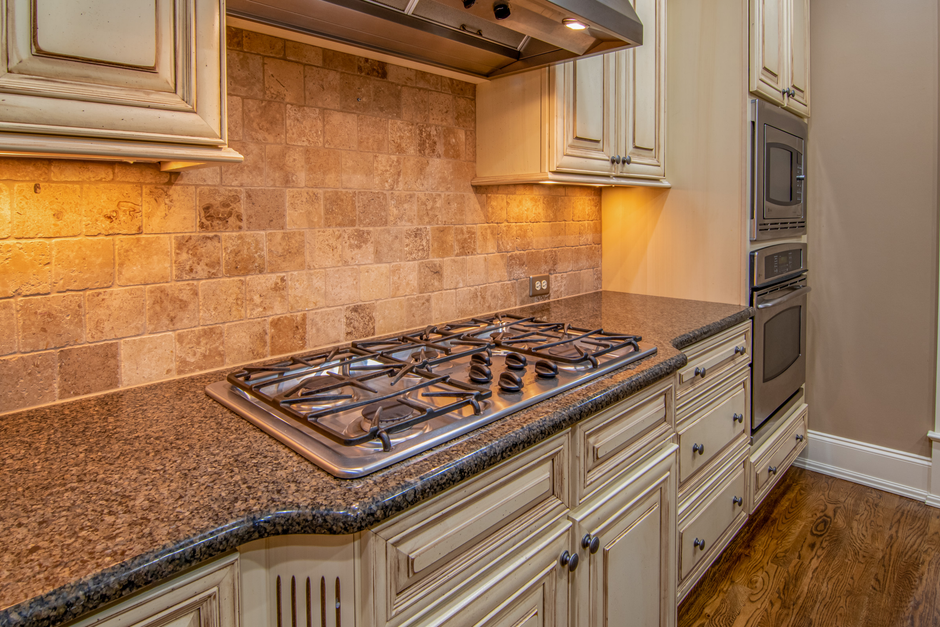
Heat buildup occurs when the kerf is too narrow for the cooling flow. Friction between the blade side and the stone walls causes the metal to expand. This expansion leads to blade deflection. A deflected blade creates a crooked cut. Such errors ruin a slab of quartzite or marble before the edge profile is even addressed. Maintaining a consistent kerf width ensures that the cooling water reaches the cutting zone effectively. If the kerf is too tight, steam pockets form. These pockets act as insulators. Heat rises. The blade loses its straight path.
Material Loss and Slab Yield
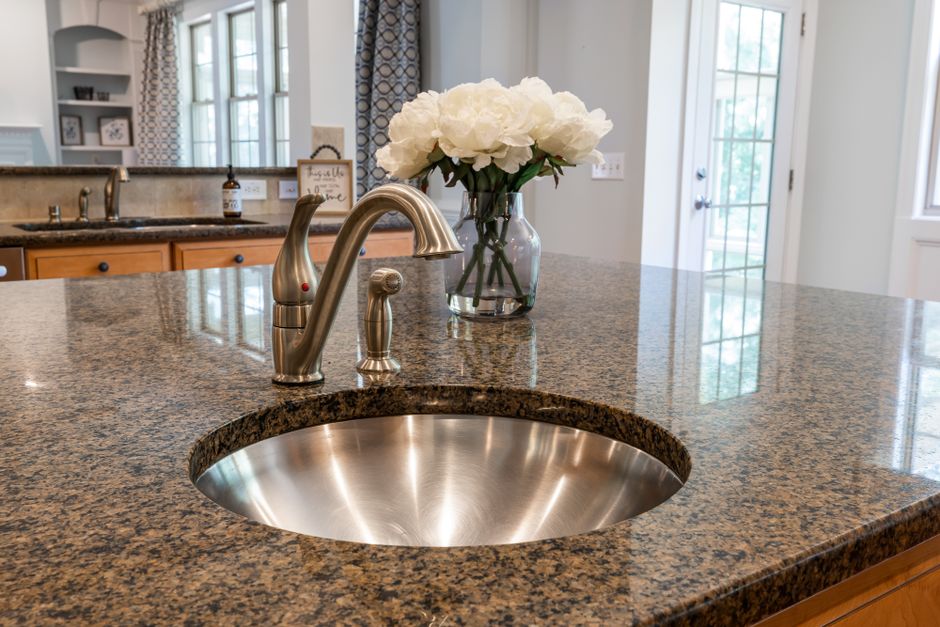
A wide kerf reduces the total yield from a single remnant. In tight spaces like a sink cutout, a wide blade consumes unnecessary material. This is particularly problematic when working with expensive porcelain or quartz. Every millimeter lost to the blade is a millimeter that cannot be used for a small backsplash or a matching windowsill. Precision in the kerf width allows for tighter seam placement. A narrow, stable cut ensures that two pieces meet with minimal gap. A wide, inconsistent kerf forces a larger gap. This gap requires more epoxy and looks poor once the seam is cured.
Blade Selection for Hardness
The hardness of the material dictates the ideal kerf management strategy. Cutting soapstone requires a different blade speed and pressure than cutting laminate or butcher block. Harder stones like granite require segmented blades to allow for better debris removal. If the slurry builds up in the kerf, the blade stalls. A stalled blade generates extreme heat. This heat can cause micro-cracking near the edge of the cutout. Using a blade with the correct segment height keeps the kerf deep enough to clear the waste without widening the path excessively.
Managing the Cut Path
A steady feed rate prevents the blade from wandering. Sudden changes in pressure cause the blade to tilt. A tilted blade creates a wedge shape rather than a rectangular kerf. This wedge shape makes it difficult to achieve a perfect undermount sink fit. The cut must remain perpendicular to the surface. If the kerf widens at the bottom of the cut, the stone may crack under the weight of the slab. Consistent kerf management is the only way to ensure the template matches the physical reality of the stone.