Router plunge-depth consistency
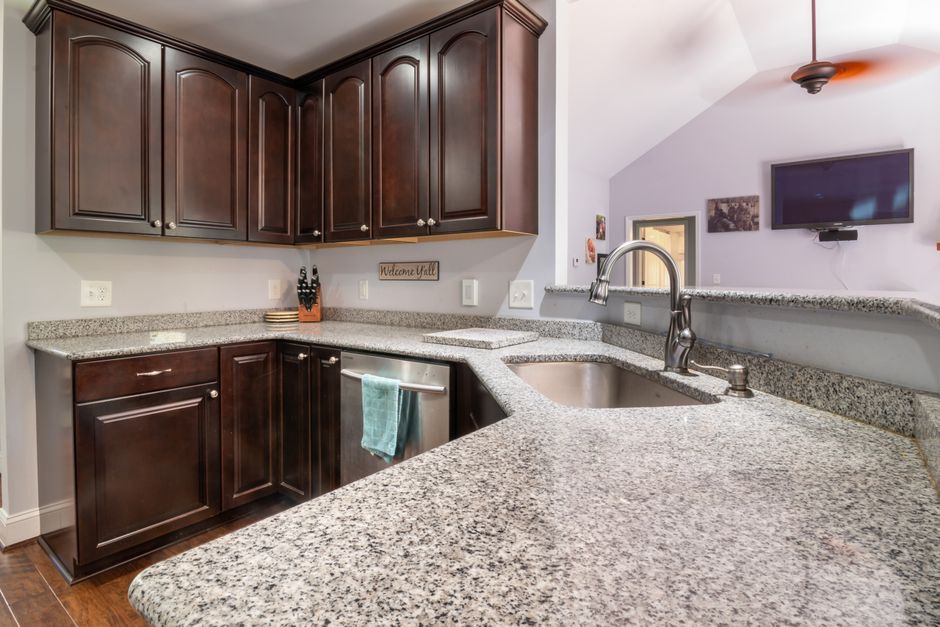
The router bit carves a path: it removes material at a fixed depth to create a specific edge profile. Every teardown custom countertops buncombe county nc chill pop shop has logged shows the same thing regarding how a slab reacts to varying bit pressure. Maintaining a uniform depth on a granite work surface requires strict mechanical control. A single dip in the tool path ruins the symmetry of the profile across the entire length of the stone in Buncombe County, NC.
Mechanical Depth Variance
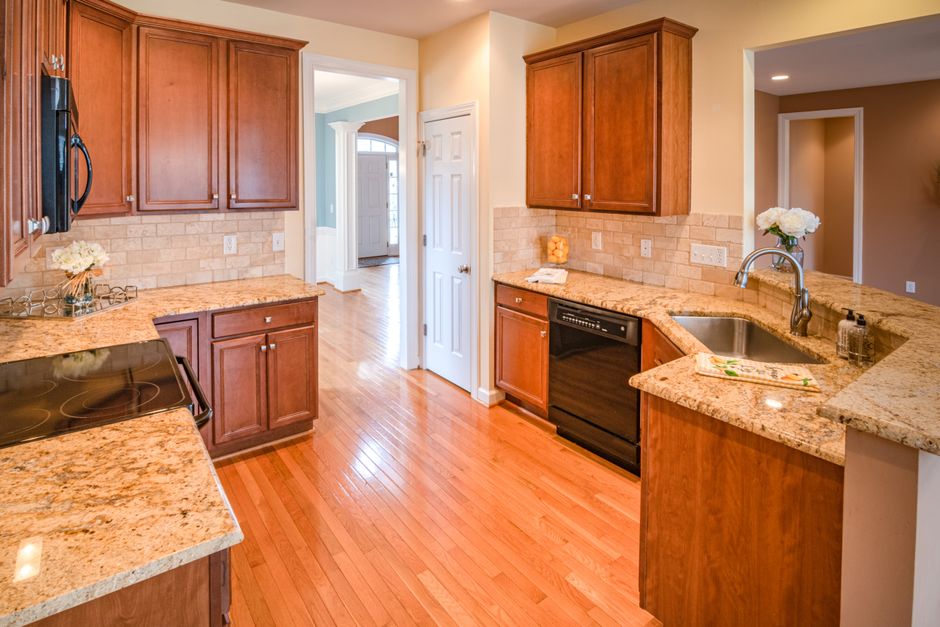
A router bit experiences lateral deflection when the motor speed drops or the feed rate increases. This deflection causes the bit to wander vertically. If the plunge depth shifts by even a fraction of a millimeter, the edge profile will appear wavy. This is particularly noticeable on a bullnose edge where light hits the curve. A steady, constant feed rate prevents the motor from bogging down. When the motor bogs, the bit climbs higher in the material, creating a shallow spot that ruins the visual flow of the stone.
Material Resistance and Bit Heat
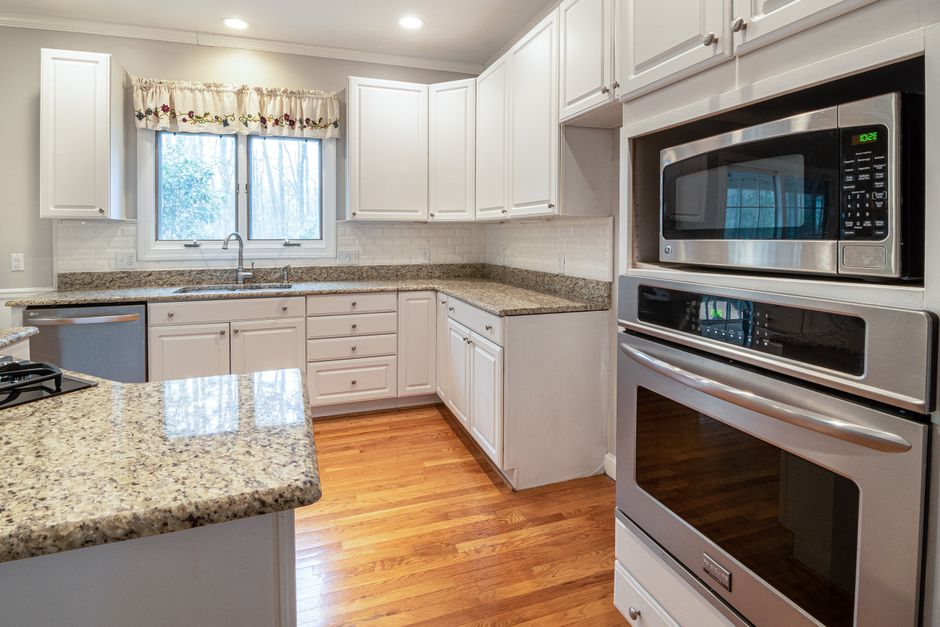
Harder materials like quartzite or marble demand higher spindle speeds and slower travel. High friction generates heat, which causes the metal in the bit to expand. Thermal expansion changes the effective length of the bit. This subtle change in length alters the depth of the cut. A cooling cycle or a bit change can actually reset the depth. Monitoring the temperature of the bit ensures the depth remains consistent throughout the entire run. A hot bit creates an uneven edge profile that fails inspection.
Substrate Stability and Vibration
Vibration is the enemy of a clean edge. If the router base chatters against the slab, the depth fluctuates rapidly. This creates micro-ridges along the edge. Using a heavy, stable router base helps dampen these oscillations. A loose template or a poorly secured workpiece allows the tool to jump. Even a small amount of movement during a sink cutout will result in a jagged perimeter. The tool must move across the material with zero vertical bounce to maintain the intended geometry.
The Impact of Tool Wear
A dull bit requires more force to penetrate the surface. Increased downward pressure causes the router to sink deeper into the material than intended. This happens as the carbide edge loses its sharpness. A worn bit also drags rather than cuts, which pulls the tool away from the intended path. Checking the sharpness of the bit before starting a long run on a quartz slab prevents depth drift. A fresh bit maintains a predictable relationship between the base and the material surface.